
For most travellers, expect to spend about $150–$375 per person per night for good mid-range safari accommodation in Uganda. Budget options can start below $100, while luxury lodges commonly cost $400–$1,000+ per person per night. Those prices often exclude park fees, gorilla permits, game drives and transfers, so the nightly lodge rate is only part of your actual safari cost.
Uganda accommodation at a glance
- Budget
- Roughly $8–150 per person per night; simple camps, bandas and extra costs
- Mid-range
- Roughly $150–375 per person per night; usually the practical value tier
- Luxury
- Roughly $400–2,000+ per person per night; more setting, service and inclusions
- Always price separately
- Park fees, permits, transfers, activities, drinks and tips
- First planning question
- Does this lodge save time on the activities you actually came to do?
Uganda's accommodation landscape is improving fast — Condé Nast Traveller named Volcanoes Safaris' Kibale Lodge to its 2025 Hot List, and Asilia Africa opens its first Uganda property in 2026 — but setting accurate expectations remains essential.
Free tool
Not sure which lodge fits your trip?
Six questions. Three personalised recommendations — with an honest breakdown of what you're paying for.
What does safari accommodation in Uganda actually cost?
Uganda's safari accommodation falls into three broad tiers, but the boundaries blur and the headline rate rarely tells the full story.
The quick comparison—then read the detail
Save on the room
Budget
Best when you prioritise park time and can accept limited power, simpler bathrooms and meals or activities charged separately.
Balance comfort and cost
Mid-range
Usually the strongest default: en-suite rooms and full board at many properties, while park fees, drives and drinks remain extra.
Pay for the surroundings
Luxury
More privacy, setting, service and bundled extras. Remote-lodge limitations and unpredictable wildlife still apply.
Budget ($8–150 per person per night) covers everything from pitching your own tent at a UWA campsite to a clean en-suite banda with full-board meals. Prices at this tier are usually quoted per room, not per person, and meals are almost always extra. A couple in a self-contained banda at Red Chilli Rest Camp in Murchison Falls pays $55 per room — roughly $28 each — but will spend another $15–25 per person on meals and $75 per person on park entry and mandatory game drive fees. The true daily cost per person at budget level is $70–150 once you add the non-negotiable extras.
Mid-range ($150–375 per person per night) is where full board becomes standard, en-suite bathrooms are guaranteed, and hot water is reliable. Game drives, park fees, and drinks are usually still extra. Murchison River Lodge charges $165 per person sharing for a thatched cottage with all meals included — but a beer at the bar, the boat cruise to the falls, and the $75 daily park-plus-game-drive fee are on your tab. At the top of this tier, Ishasha Wilderness Camp at $350 per person includes game drives, house drinks, and laundry, blurring into luxury territory.
Luxury ($400–2,000 per person per night) delivers all-inclusive packages at the best properties, with meals, premium drinks, activities, laundry, and spa treatments bundled in. Volcanoes Safaris' four Uganda lodges are the most comprehensive: their rates include single malt whiskeys, cellar collection wines, signature cocktails, and unlimited massages. But even at $1,370 per person per night (Bwindi Lodge, high season), the $800 gorilla permit is still extra, and transfers or charter flights add $300–700 per person each way.
When cheaper accommodation makes sense
The budget tier in Uganda is genuinely cheap by global safari standards, but travellers who budget only for the room rate get a nasty surprise. A night at a UWA banda costs $30–50 per room, but park entry ($40–45), the mandatory game drive fee at savannah parks ($30), meals ($25–40 per person for three), and a game drive arrangement ($30–140) can triple the effective daily spend.
UWA bandas exist at most national parks and represent the floor of the market. At Lake Mburo's Rwonyo Rest Camp, you get a simple thatch-roofed structure with a bed, mattress, and mosquito net. Some have en-suite bathrooms; others offer shared facilities with flushing toilets. Electricity comes from generators running limited hours. WiFi does not exist. Hot water is a bonus, not an expectation. At Kidepo's Apoka Rest Camp, UWA operates 16 self-contained cabins and 14 basic bandas — proof that budget travel reaches even Uganda's most remote park, though getting there by road takes 10–13 hours.
Red Chilli Rest Camp at Murchison Falls is the gold standard for budget safari accommodation. Located inside the park on the south bank of the Victoria Nile, it offers self-camping at $8 per person, shared-bathroom bandas at $40 per room, and en-suite bandas at $55–100. The generator runs 8am–2pm and 6pm–11pm; outside these windows, an inverter powers lights and fans but not charging sockets. The restaurant serves good food (meals purchased separately), hippos wander through camp at night, and TripAdvisor's 395 reviews average a respectable rating. The honest trade-off: cold showers in the cheaper rooms, no WiFi, and strict park gate closures at 7pm.
Near Bwindi, Buhoma Community Rest Camp sits two minutes' walk from the gorilla trekking briefing point. Six self-contained safari tents, three cottages, basic bandas, and a dormitory range from $30–80 per room. Proceeds support 7,000 community members. It is basic but clean, and the location is unbeatable for budget gorilla trekkers — though the $800 permit dwarfs any accommodation saving.
The recurring disappointments at budget level are predictable: park fees are never included, distances from park gates can mean 30–60 minute drives to activities, electricity is finite, and "full board" at this tier means filling local food rather than multi-course dining. Solo travellers pay significantly more per person since most rates assume double occupancy. Mosquito nets, however, are standard even at the cheapest camps — one consistent positive across every tier.
What does “mid-range” mean in Uganda?
Mid-range is where expectations most frequently diverge from reality. Travellers paying $150–350 per person per night reasonably expect "everything included" — and at most properties, it isn't. The standard mid-range package delivers full board (all meals), en-suite bathrooms, reliable hot water, and mosquito-netted rooms with solar or generator power. It does not typically include game drives, park fees, drinks, laundry, or specialist guiding. This distinction is critical: a couple at a $200-per-person lodge still faces $150–300 per day in additional costs for park fees, game drives, and a drink with dinner.
Murchison River Lodge exemplifies the tier's best value. This family-run, solar-powered property on the Victoria Nile charges $130 per person for en-suite safari tents and $165 for thatched cottages, all full board. Complimentary afternoon tea, a swimming pool, and free WiFi in the pool lounge are included. Hippos are visible from the restaurant. With over 500 TripAdvisor reviews and a 4.6/5 rating, it consistently earns praise for food quality, Nile views, and genuine warmth. The honest gap: WiFi only reaches the pool area, some tents have chemical rather than flush toilets, and all drinks, park fees, and activities are extra.
Turaco Treetops near Kibale Forest offers standard rooms at roughly $128 per person including meals (base rate is B&B with lunch and dinner added separately at $10 and $15). Eight luxury forest cottages sit on stilts overlooking the rainforest canopy; a natural-stone swimming pool faces the Rwenzori Mountains. Dutch owners provide a personal, non-corporate atmosphere. Reviewers note occasional ants in rooms — an occupational hazard of building in a rainforest — but rate the food, WiFi, and forest setting highly. At 15 minutes' drive from Kibale's chimp trekking start point, the location is excellent.
Crater Safari Lodge, perched on the rim of Nyinabulitwa Crater Lake seven kilometres from Kibale's gate, charges $250–375 per person for full board. The crater views are universally described as stunning, and complimentary laundry — unusual at this tier — is a genuine perk. Ishasha Wilderness Camp, at $350 per person in low season, pushes into all-inclusive territory: two daily game drives, house drinks, laundry, and bush breakfasts are bundled in. It is the only camp in Queen Elizabeth's Ishasha sector, meaning no vehicle competition on drives. Resident hippos, buffalo, and colobus monkeys wander through camp. The polarising element: bucket-style bush showers, which some guests find charming and others find inadequate at the price point.
What separates good mid-range from bad in Uganda comes down to a few reliable markers. Owner-operated properties with personal management consistently outperform corporate-run lodges. Reliable hot water, USB charging in rooms, WiFi at least in communal areas, and a swimming pool are reasonable expectations above $150 per person. Red flags include chemical toilets at full mid-range prices, "full board" that delivers repetitive buffet meals, and lodges marketed as "near the park" that turn out to involve 1–2 hour drives on rough roads. Primate Lodge Kibale (managed by the Mantis Collection) earns particular praise for its location inside the national park — a five-minute walk from the chimp trekking trailhead — which eliminates the transfer question entirely.
When paying more genuinely improves the trip
Uganda luxury is not Kenya luxury. It is not Tanzania luxury. Understanding this distinction prevents the most expensive kind of disappointment. Audley Travel, one of the UK's leading safari specialists, states plainly: "Standards of service and food are usually good, but they are not exceptional, even in the more luxurious properties." Scott Dunn echoes: "Standards of service are good but may not align with the exceptional offering of other destinations." This is not a failure — it is a different proposition. Uganda luxury sells intimacy, setting, warmth, and transformative wildlife encounters over physical hardware and polished service choreography.
No Bwindi gorilla lodge offers private plunge pools — the mountain forest climate at 1,500–2,100 metres makes them impractical. Suite sizes run around 80 square metres, compared to 100–200 at top Kenyan or Tanzanian lodges. There is no Singita in Uganda, no One&Only, no &Beyond-owned property. Wine lists are modest compared to South African safari lodges. WiFi in rooms remains rare even at the top tier.
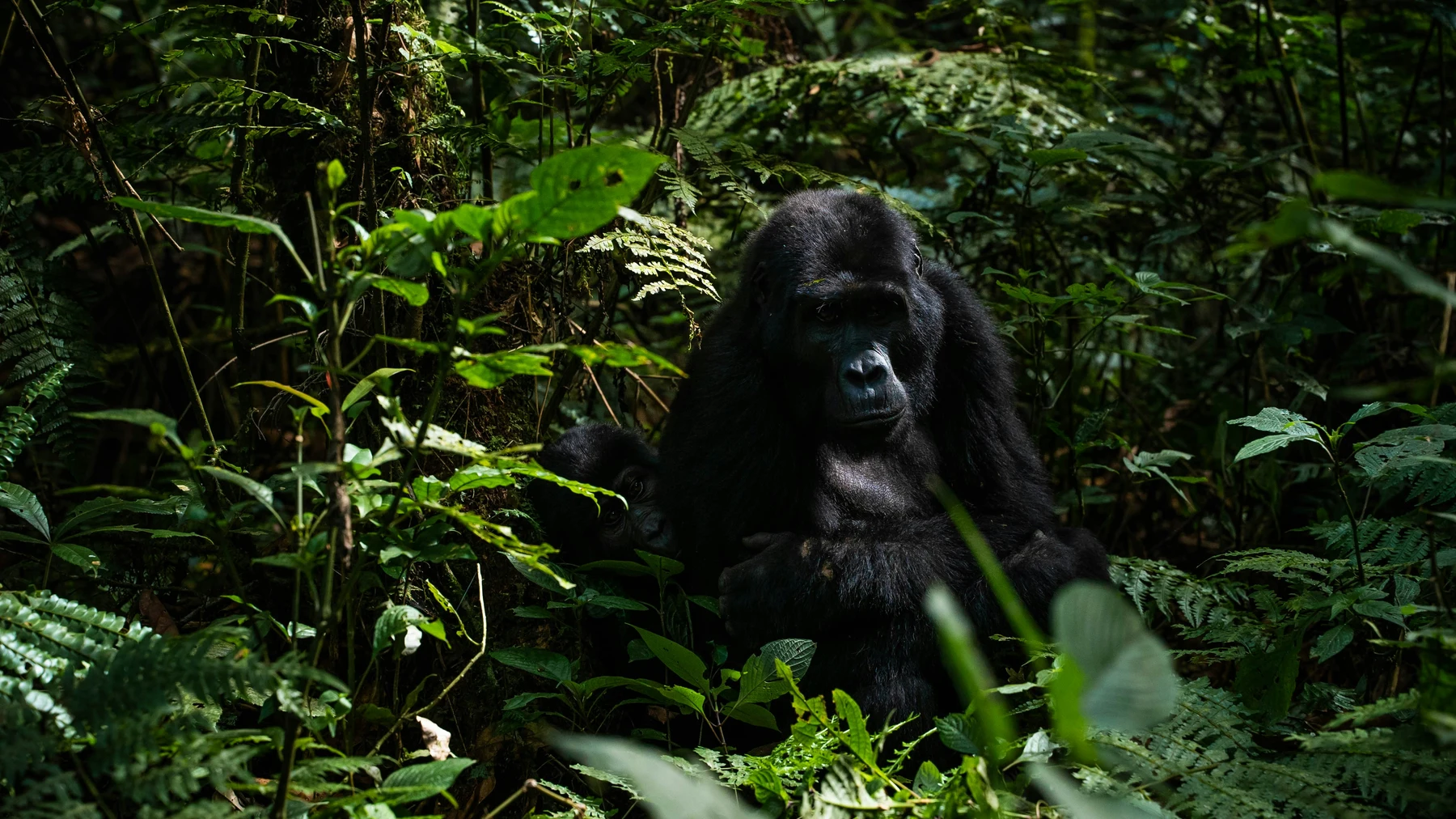
Gorilla Forest Lodge — the only property inside Bwindi Impenetrable National Park — reopened in June 2025 after a complete rebuild by Abercrombie & Kent. Its 10 standalone villas feature floor-to-ceiling windows, private viewing decks, and contemporary design with banana-leaf woven walls. Gorillas visit camp four to six times monthly. Rates run $800 per person in low season and $1,300 in high season, including all meals, some beverages, guided forest walks, spa treatments, and butler service. The gorilla permit is extra.
Clouds Mountain Gorilla Lodge in Bwindi's Nkuringo sector charges $800 per person sharing in high season (dropping to roughly $480–530 in green season). Eight stone cottages at 2,100 metres — Uganda's highest lodge — look out over the Virunga Volcanoes, where the active Nyiragongo sometimes glows orange at night. All drinks except top-shelf brands, laundry, community activities, and complimentary massages are included. Butler service is standard. The trade-off: Nkuringo offers some of Bwindi's steepest, most physically demanding gorilla treks.
Volcanoes Safaris operates the most comprehensively all-inclusive lodges in Uganda. Their 2026 rates for Bwindi Lodge run $820–1,370 per person sharing (standard bandas, low to high season) and $1,075–1,780 for deluxe bandas, plus a $50-per-night community fee. What this buys is extraordinary by Uganda standards: all meals, all soft drinks, all premium alcoholic drinks including single malt whiskeys, cellar collection wines (except French champagne), signature cocktails, all lodge activities, and all massages subject to availability. Their newest property, Kibale Lodge (opened July 2024), commands $990–2,000 per person per night and has already appeared on the Condé Nast Traveller Hot List, AFAR's Best New Hotels, and Travel + Leisure's It List.
Apoka Safari Lodge in Kidepo Valley — Uganda's most remote park — charges $800 per person in high season with full board, house drinks, two daily game drives or walks, and laundry included. Its signature feature is outdoor bathtubs carved from massive boulders, overlooking the vast Narus Valley. The wildlife justifies the journey: Kidepo is Uganda's only park with cheetahs, and you may be the only vehicle in 1,500 square kilometres. But reaching Apoka by charter flight adds $400–700 per person each way.
Mahogany Springs in Bwindi's Buhoma sector is the consensus value pick in the luxury tier. At $290–625 per person depending on season and room type, it delivers stone-and-thatch suites with hardwood floors, an on-site spa, and food reviewers call "among the best in Uganda." Its new Ultra Lux Suite adds a private hot tub on the balcony — the closest any Bwindi property comes to a private plunge pool. With over 700 TripAdvisor reviews and consistent praise for owner Barrie's personal hospitality ethos, it punches well above its weight.
What costs sit outside your room rate?
The gap between a lodge's advertised rate and the true cost of a Uganda safari day is wider than in almost any competing destination. Understanding six categories of hidden costs is essential.
Park fees have quietly escalated. Since July 2024, Murchison Falls charges $45 entry plus a mandatory $30 game drive fee per person per day — $75 daily before you've seen anything. Queen Elizabeth, Kidepo, and Lake Mburo charge $40 entry plus $30 for game drives. At Bwindi and Kibale, park entry is bundled into trekking permits, but at savannah parks, these fees are almost never included in accommodation rates at any tier.
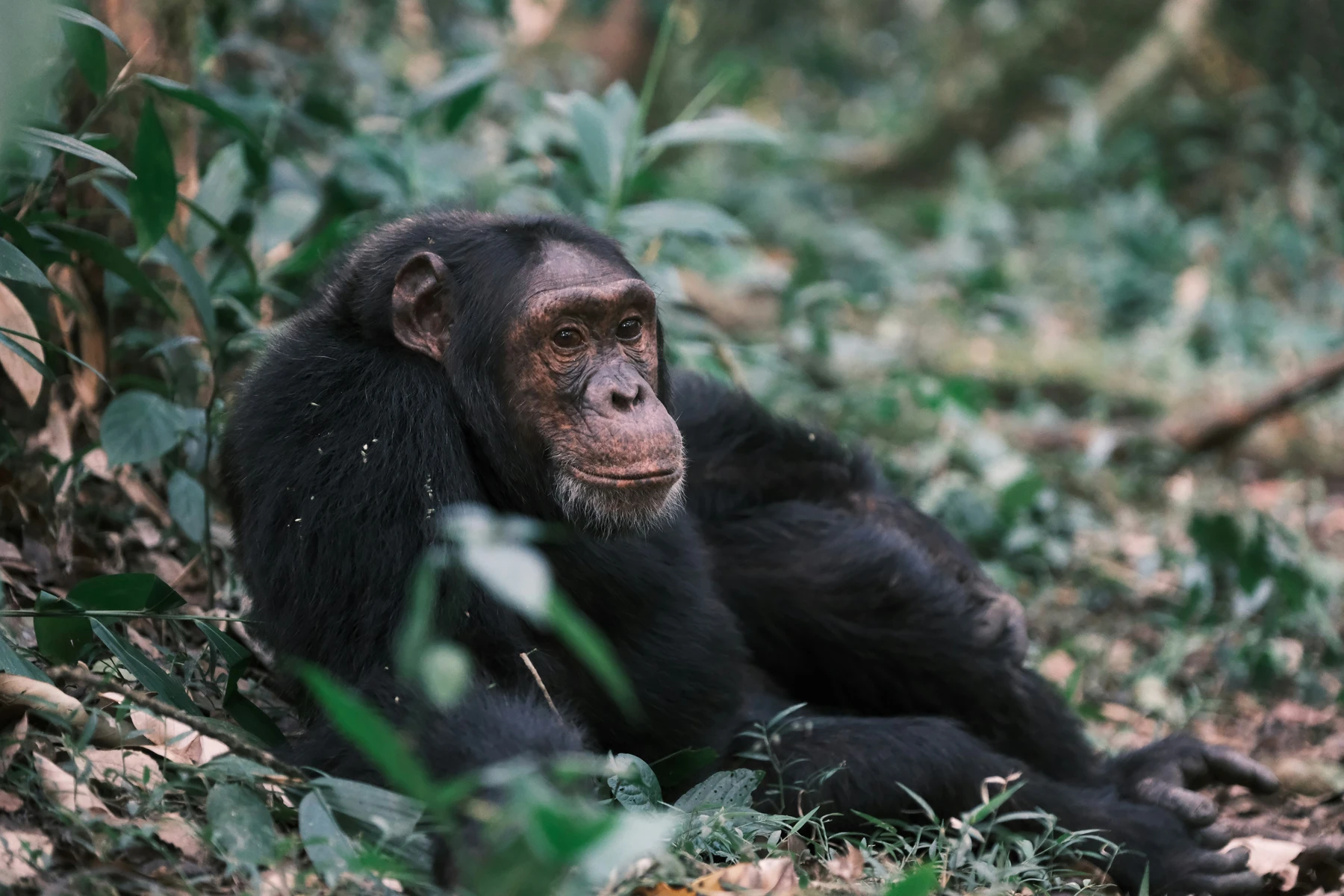
Permits dominate the budget arithmetic. Gorilla trekking costs $800 per person and is never included in nightly rates (though some luxury operators bundle it into package pricing). Chimpanzee trekking at Kibale costs $250. The Gorilla Habituation Experience — four hours with semi-habituated gorillas at Rushaga — costs $1,500. A Kazinga Channel boat cruise is $30. These are non-negotiable costs that exist independently of your accommodation choice.
Transfers are the cost most easily underestimated. Bwindi is 8–10 hours from Kampala by road; Kidepo is 10–13 hours. Charter flights to Bwindi's nearest airstrips (Kihihi or Kisoro) cost $230–350 per person one-way on AeroLink Uganda's scheduled services, with a 15-kilogram soft-bag luggage limit. A private 4×4 with driver-guide runs $150–300 per day. Luxury packages often include flights and ground transfers; mid-range and budget travellers face these as significant add-ons.
Tipping is expected and adds up. Safari driver-guides expect $10–20 per person per day, gorilla trek rangers $10–20 per person per trek, porters $15–20 in wages plus a $5 tip, and lodge staff $5–20 per person per night depending on tier. A realistic tipping budget for a 10-day safari is $150–400 per person — a cost rarely mentioned in package pricing.
Seasonal pricing creates genuine opportunities. Uganda's low season (April, May, November) brings 20–30% lodge discounts, fewer crowds, lush landscapes, and better permit availability. The trade-off is real: Bwindi's steep trails become treacherously slippery, some park roads become impassable, and afternoon downpours can interrupt activities. UWA has introduced low-season discounted permits for 2026, though exact figures were still being finalised at time of research.
Electricity and connectivity remain unpredictable below luxury level. Most mid-range lodges run on solar power supplemented by generators during set hours. Hair dryers and high-draw electronics are usually impossible. WiFi exists in communal areas at mid-range properties but rarely in rooms, and even luxury lodges outside Bwindi's Buhoma sector may have intermittent connectivity. Power banks are essential equipment at every tier.
Where you stay can change the cost of the entire trip
Bwindi Impenetrable Forest is accommodation dictated by logistics. The park's four trekking sectors — Buhoma, Ruhija, Rushaga, and Nkuringo — each allocate permits independently, and your lodge must match your sector. Buhoma is the most developed, with options from the $30-per-room Buhoma Community Rest Camp to the $1,300-per-person Gorilla Forest Lodge. Rushaga has the most gorilla families and highest permit availability; Nkuringo has the most dramatic scenery and steepest treks. Every aspect of Bwindi accommodation — from elevated pricing to limited choice — traces back to the $800 gorilla permit, the remote location, and the small lodge sizes that conservation demands.
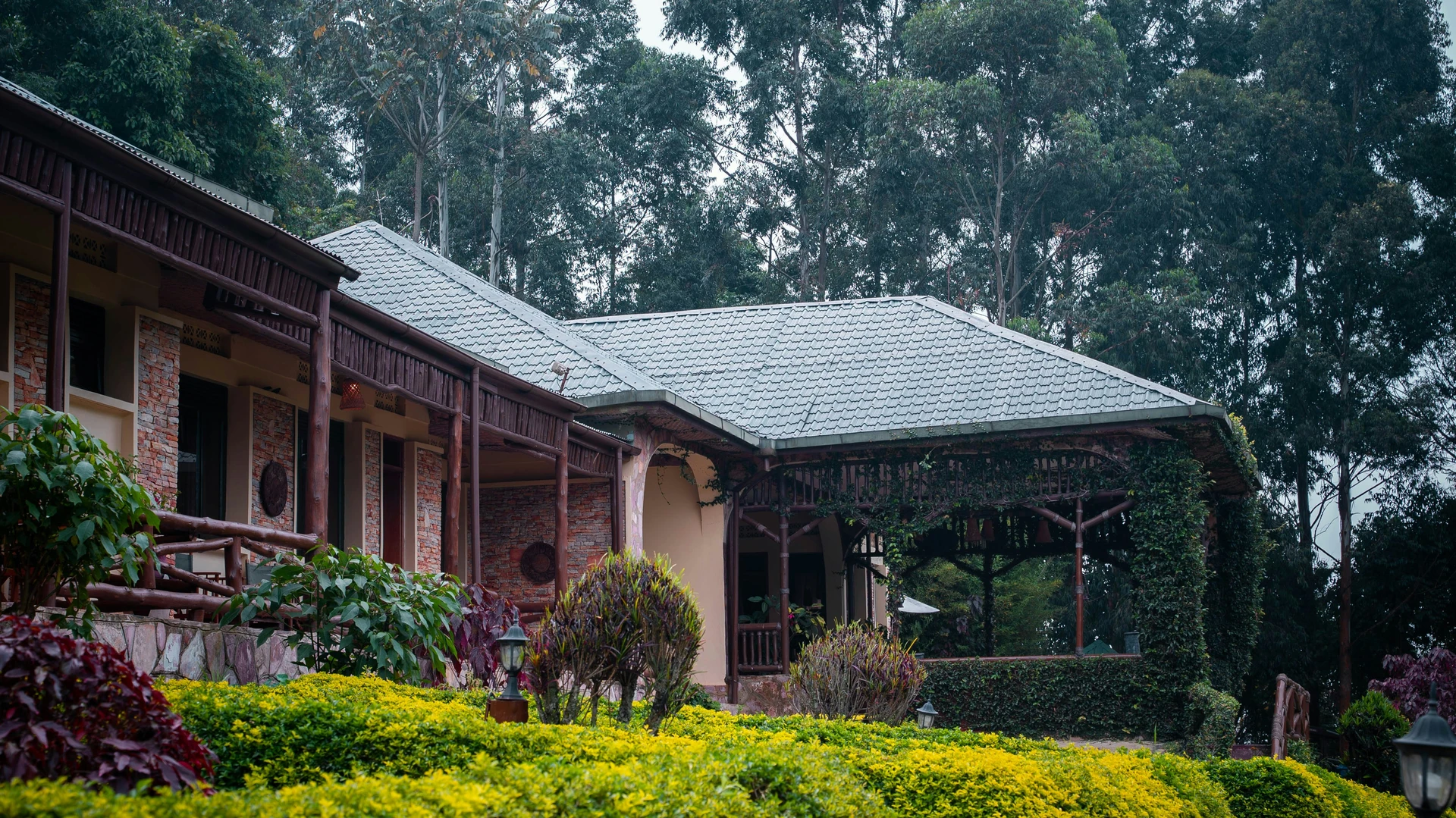
Queen Elizabeth National Park offers Uganda's widest accommodation spectrum. The Mweya Peninsula hosts the heritage Mweya Safari Lodge (comfortable but institutional at 50 rooms) alongside budget hostels. The Kasenyi Plains escarpment has newer properties like Katara Lodge and Elephant Plains Lodge. Kyambura Gorge attracts chimp trekkers to Volcanoes Safaris' Kyambura Gorge Lodge ($950–1,895 per person). The Ishasha sector — famous for tree-climbing lions — is served almost exclusively by Ishasha Wilderness Camp and budget-tier Enjojo Lodge.
Murchison Falls National Park, Uganda's largest protected area, is a moderate 4–5 hour drive from Kampala — not the longest transfer, as commonly assumed (that distinction belongs to Bwindi and Kidepo). The Nile bisects the park, with the best game-drive territory on the north bank (accessed by vehicle ferry) and most accommodation on the south bank. Mid-range is the sweet spot here: the core experiences — the boat safari to the thundering falls, game drives among Rothschild's giraffes and elephants, the hike to the falls' summit — are equally accessible from a $130-per-person lodge as from a $500 one.
Kibale Forest National Park clusters accommodation around the crater lakes between Fort Portal and the park boundary. The chimp trekking trailhead at Kanyanchu is the anchor point. Primate Lodge Kibale sits inside the park; Turaco Treetops and Crater Safari Lodge are 10–15 minutes' drive away; the spectacular Kyaninga Lodge and Papaya Lake Lodge sit in the crater lakes region 20–30 minutes out.
Kidepo Valley is Uganda's remotest park and effectively requires a charter flight ($420–700 per person round trip) unless you have 10–13 hours for the drive. The reward is extraordinary: cheetahs, enormous buffalo herds, vast golden plains, and night skies free of any light pollution. Low tourist numbers make every game drive feel like a private safari.
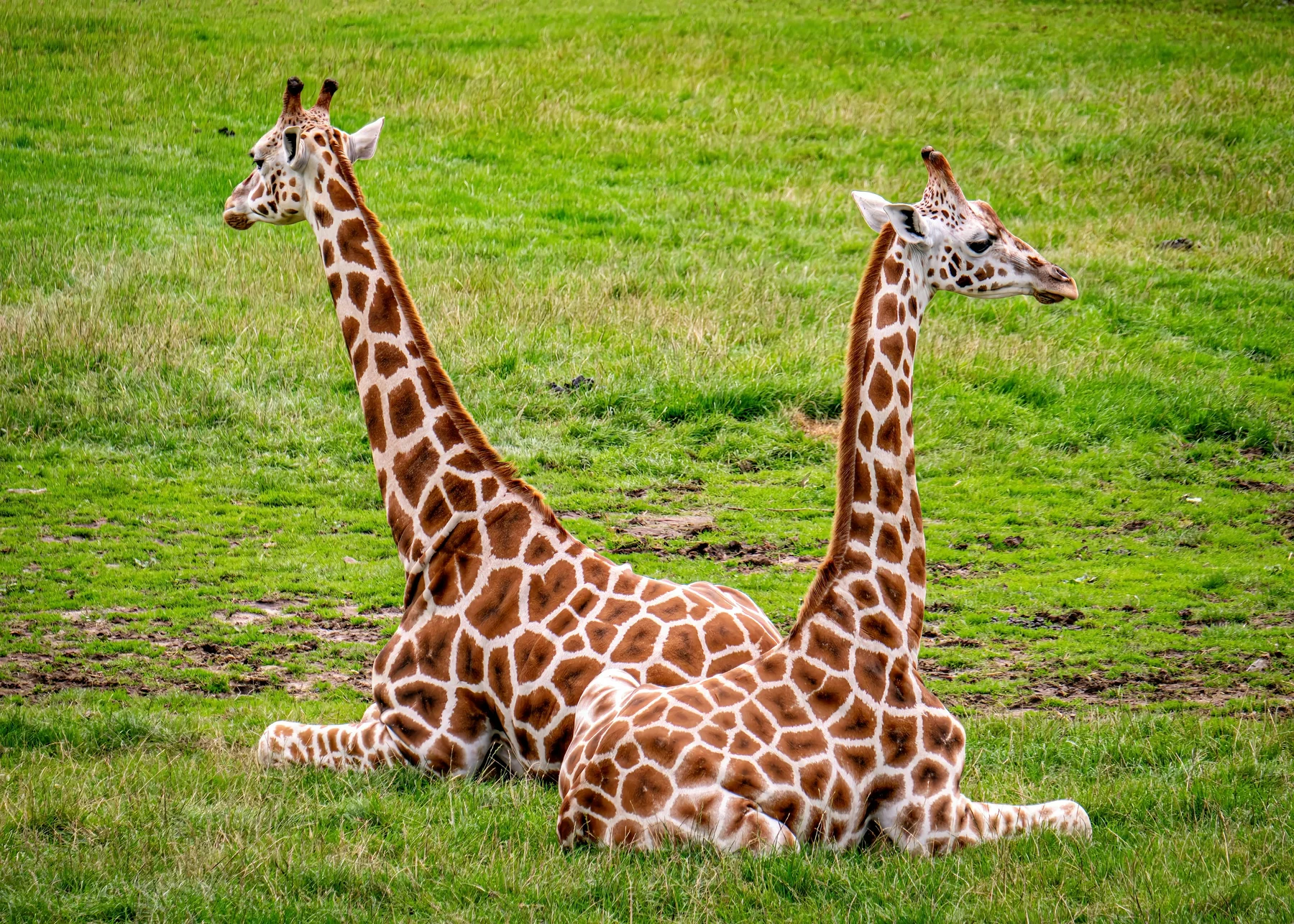
Lake Mburo, just 3.5 hours from Kampala, is the logical first or last night on any western Uganda circuit. Mihingo Lodge — perched on a rocky kopje with an infinity pool and Uganda's only horseback safaris — represents genuine luxury. Budget options like UWA's Rwonyo Rest Camp start at $20 per night. Night game drives here offer some of East Africa's best leopard sighting rates.
How Uganda's accommodation compares regionally
Against Rwanda, Uganda's value proposition for gorilla trekking is decisive. Rwanda's permits cost $1,500 versus Uganda's $800 — a $1,400 saving per couple before accommodation. Rwanda's lodges are more physically polished (Singita Kwitonda, Bisate Lodge), but a four-day gorilla package for two costs $5,000–17,000 in Uganda versus $19,000–28,000 in Rwanda. Uganda wins on value; Rwanda wins on convenience (2.5 hours from Kigali versus 8–10 from Kampala) and top-end luxury hardware.
Against Kenya and Tanzania, the comparison is apples to oranges. At $300–500 per person per day, Kenya's Masai Mara delivers superior Big Five density, more extensive lodge choice, and more polished service infrastructure. Uganda at the same price delivers fewer vehicles, more diverse ecosystems, primate encounters impossible in Kenya, but less concentrated savannah game. Tanzania's ultra-luxury tier (Singita, &Beyond, Nomad) operates in a league Uganda has not yet entered — but Uganda's top properties are closing the gap.
Uganda is underrated, biodiverse, and authentic. The accommodation is good but not elite-tier. The experience transcends the accommodation.
The most honest summary from the expert safari writers' consensus: properties that understand this — Murchison River Lodge, Mahogany Springs, Turaco Treetops, Apoka — deliver extraordinary value by investing in warmth, food, and setting rather than competing on hardware they cannot match. Properties that price themselves against Kenya or Tanzania benchmarks without delivering equivalent polish risk disappointing travellers who expect the price to guarantee the product.
Free tool
Not sure which lodge fits your trip?
Six questions. Three personalised recommendations — with an honest breakdown of what you're paying for.
How to choose your Uganda safari stay
Uganda's safari accommodation market is at an inflection point. The entry of international brands — Abercrombie & Kent's rebuilt Gorilla Forest Lodge, Asilia Africa's incoming Erebero Hills, Lemala's Wildwaters Lodge — is raising standards and creating competitive pressure that benefits travellers at every tier. Volcanoes Safaris' all-inclusive model, with premium drinks and unlimited massages from $820 per person, sets a benchmark that other luxury operators must now match or explain why they don't.
The smartest spend in Uganda remains the mid-range tier, where family-run properties in stunning locations deliver warm service, good food, and characterful rooms at prices 30–50% below equivalent quality in Kenya or Tanzania. The gorilla permit at $800 is the single largest cost on any Uganda safari and exists independently of accommodation quality — a traveller at a $50-per-night community camp has the identical trekking experience to one at a $1,300-per-night luxury lodge.
What changes with the price is everything surrounding that hour with the gorillas: the comfort of the bed you return to, the quality of the meal waiting, the warmth of the fire, and whether someone has drawn you a bath carved from volcanic rock. Whether that surrounding experience is worth the premium is a question only each traveller can answer — but now, at least, the question can be answered with eyes open.
Author: Kora Culture Connect —