
A Maasai Mara itinerary is shaped as much by transport and camp geography as by its number of nights. Three days usually means two nights, one protected full safari day and conditional wildlife time on the transfer days. Four days adds a second complete day and gives weather, wildlife and human energy less power to derail the whole visit.
Both durations can be sensible. Road and air reach the same ecosystem but allocate time and money very differently. Migration herds may be present seasonally, yet river crossings, predator encounters and any named sighting remain unpredictable.
Maasai Mara itinerary options at a glance
- Shortest sensible stay
- 3 days / 2 nights from Nairobi
- Preferred first visit
- 4 days / 3 nights when time and budget allow
- Road version
- More transfer time, lower transport cost and no light-aircraft baggage limit
- Air version
- More usable Mara time, higher cost and fixed airstrip logistics
- Core choice
- Reserve access, private conservancy access or a combination agreed before booking
- Main planning risk
- Choosing a camp whose gate, airstrip or access rights do not fit the intended game drives
Choose the pace
How many days make sense in the Maasai Mara?
Road versus air
Lower transport cost
Travel by road
The vehicle remains available from Nairobi and luggage is simpler, but days one and three are dominated by the journey. Nairobi traffic, road conditions, the chosen reserve gate and the final lodge track all affect usable safari time.
More destination time
Fly from Wilson Airport
A scheduled light aircraft usually preserves stronger arrival and departure windows. It also adds a city transfer, check-in, possible intermediate stops, strict baggage rules and an airstrip-to-camp plan that may be shared with other guests.
The decision underneath both
Match transport to the camp
An inexpensive flight to the wrong airstrip or a road itinerary using a distant gate can erase the expected gain. Compare door-to-door timings, not the advertised flight or drive duration alone.
Sample Maasai Mara itinerary options
The sequences below are planning patterns, not promises of sightings. Confirm current gate rules, ticket validity, camp access and flight times before fixing the daily order.
What does a Maasai Mara itinerary cost?
A Mara trip has no single price. The reserve fee alone changes by season, and the total depends on road versus air, private versus shared vehicle, camp location, reserve or conservancy access, room occupancy and the number of charged entry periods. A broad package range would not compare like with like.
As checked in September 2026, the Maasai Mara fee guide publishes non-resident adult reserve entry at USD 100 per 12-hour ticket from January through June and USD 200 from July through December. It also says overnight guests must leave by 10:00 on departure day unless they buy another ticket for a game drive. Confirm the governing sector and current official payment channel before travel; reserve, Triangle and private-conservancy access are not interchangeable.
Cost breakdown
Price the Mara on explicit assumptions
Pricing checkedSeptember 2026
Quote basis
What the quote must state
How to read the total
Budget-aware
Compare a real shared departure or a simple outside-reserve stay only after adding gate transfers, every entry period and the actual passenger count. A low room rate can be offset by daily access time and fees.
Mid-range
Use a named camp, clear meal plan and explicit private-or-shared vehicle basis. This is the most useful tier for comparing whether road or air buys better usable time.
Higher-end and conservancy stays
Ask which premium changes the experience: location, smaller vehicle groups, private guiding, conservancy access, service or room quality. A higher price does not automatically include access to every part of the ecosystem.
How accommodation location changes the itinerary
A camp inside the national reserve can simplify early and late reserve access, but departure-day rules still matter. A private conservancy stay may support lower vehicle density, off-road rules or activities that differ from the reserve, while reserve visits may require extra time and fees. A camp outside both can offer value but add gate travel each day.
Ask for the property on a map, its normal game-drive area, the relevant gate or airstrip, whether vehicles are private or shared, and which access charges the quotation includes. These facts matter more than a generic “Mara” address.
Add-ons and routes that combine well
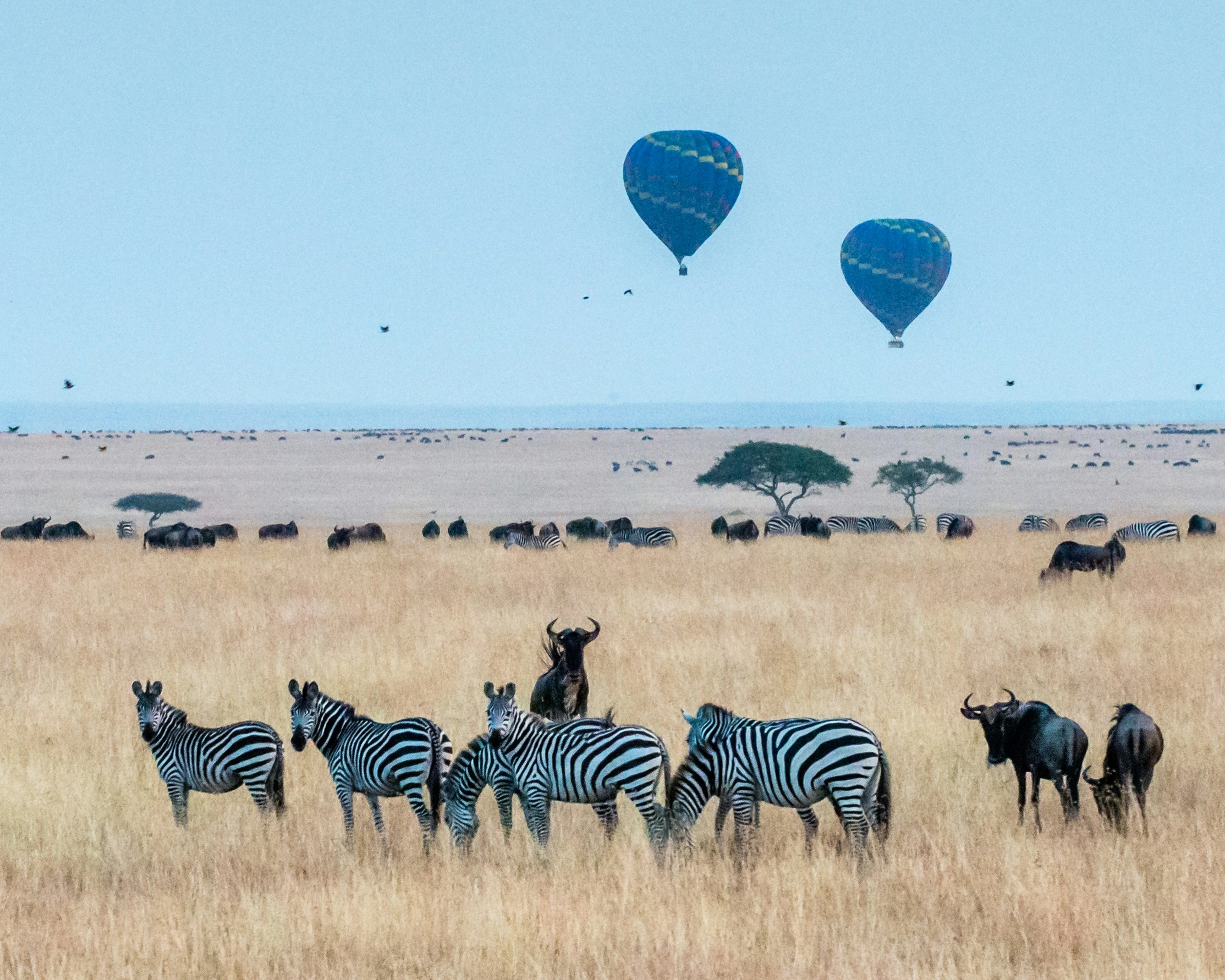
- Balloon safari: a pre-dawn activity with separate cost, weather dependence and a meaningful claim on the morning. Confirm operator, transfer and cancellation terms.
- Community visit: choose an agreed, community-led visit with transparent timing and payment rather than treating people as a package inclusion.
- Lake Nakuru and Naivasha: the Rift Valley itinerary can form a useful road continuation when its lake and active experiences deserve their own days.
- Nairobi: keep a city night before or after the Mara when it protects flights or creates room for the Nairobi city and national park itinerary.
The Maasai Mara guide covers migration uncertainty, crowd patterns and ecosystem choices in more depth. Compare the other Kenya itineraries or see the Kenya guides.