
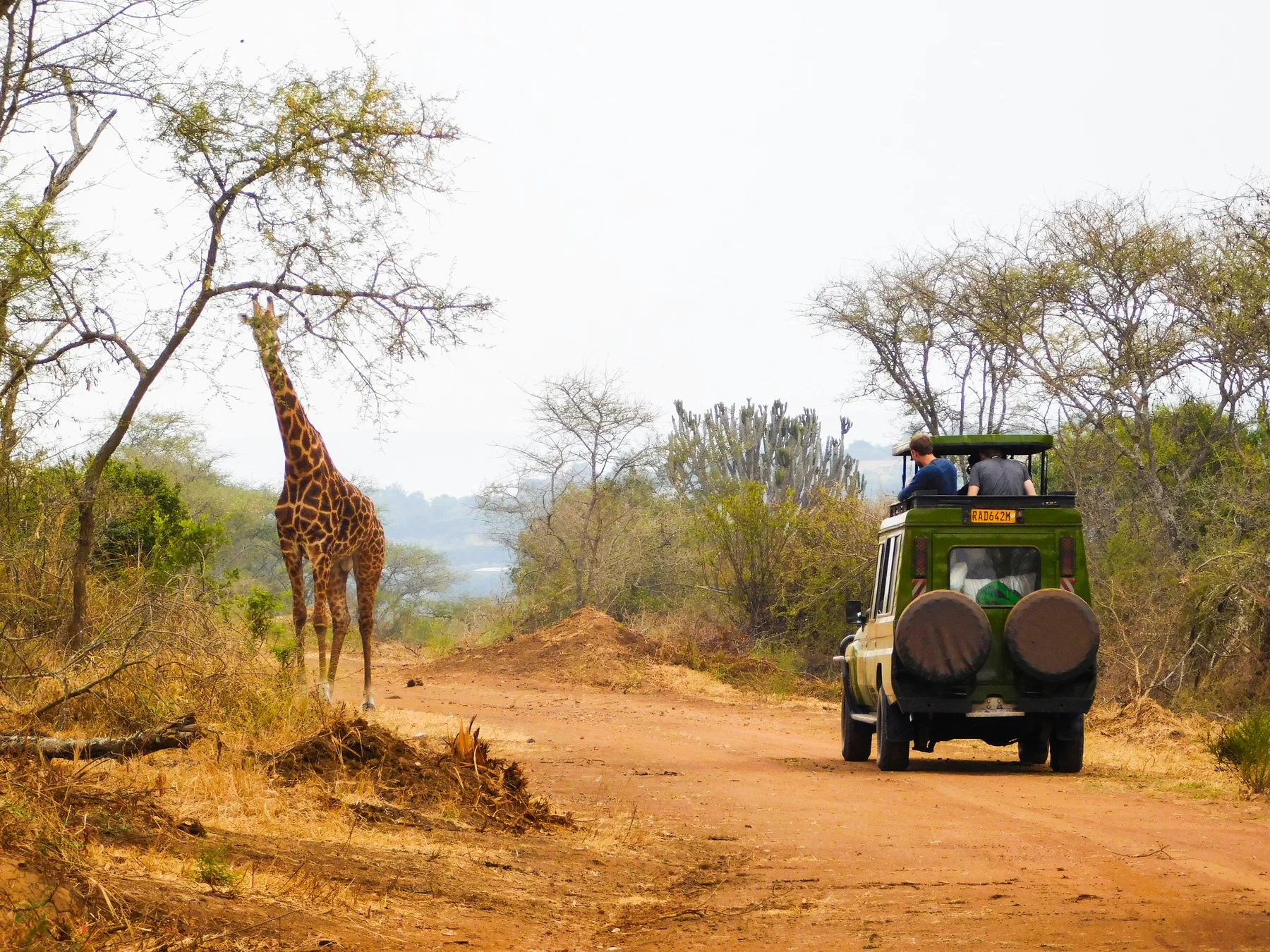
Akagera is the Rwanda safari that changes the shape of a Rwanda trip. East of Kigali, the hills open into savannah, woodland, lakes and one of Central Africa's largest protected wetlands. Game drives replace forest footpaths; a boat on Lake Ihema brings hippos, crocodiles and waterbirds into the route.
It is also easy to misunderstand. Akagera is home to lion, leopard, elephant, rhino and buffalo, but “Big Five” is a conservation fact—not a promise that a short drive will produce five sightings. The park makes most sense when you want Rwanda's ecological contrast, a calmer safari rhythm and a credible wildlife experience without adding another country.
Akagera at a glance
- Location
- Eastern Rwanda on the Tanzanian border
- From Kigali
- Allow roughly 2.5–3 hours to the southern entrance in ordinary conditions, then more time inside the park
- Landscape
- Savannah, woodland, lakes and protected wetland
- Core experiences
- Day game drives, scheduled or private Lake Ihema boat trips and park-operated night drives
- Driving
- Self-drive is allowed; a park guide or operated vehicle can be booked
- Best fit
- Two nights for game drives, a boat trip and room for changing conditions
- Main trade-off
- Less wildlife density and spectacle than East Africa's largest safari ecosystems
Experience
Four perspectives on the park
-
A north–south game drive
The long route through the park reveals changing habitat as much as individual sightings. A guide helps with navigation, animal behaviour and the decision of where limited time is best spent.
-
Lake Ihema by boat
Scheduled one-hour boat trips and private departures offer a water-level view of hippos, crocodiles and birdlife. Exact sightings remain wild and variable.
-
A documented conservation recovery
African Parks and RDB have managed Akagera in partnership since 2010. Lions returned in 2015, eastern black rhinos in 2017 and 2019, and southern white rhinos from 2021 onward.
-
Night in the southern sector
Akagera Management Company operates night drives with a vehicle, driver and guide. They are a separate booked activity, not permission to self-drive after dark.
What the safari actually feels like
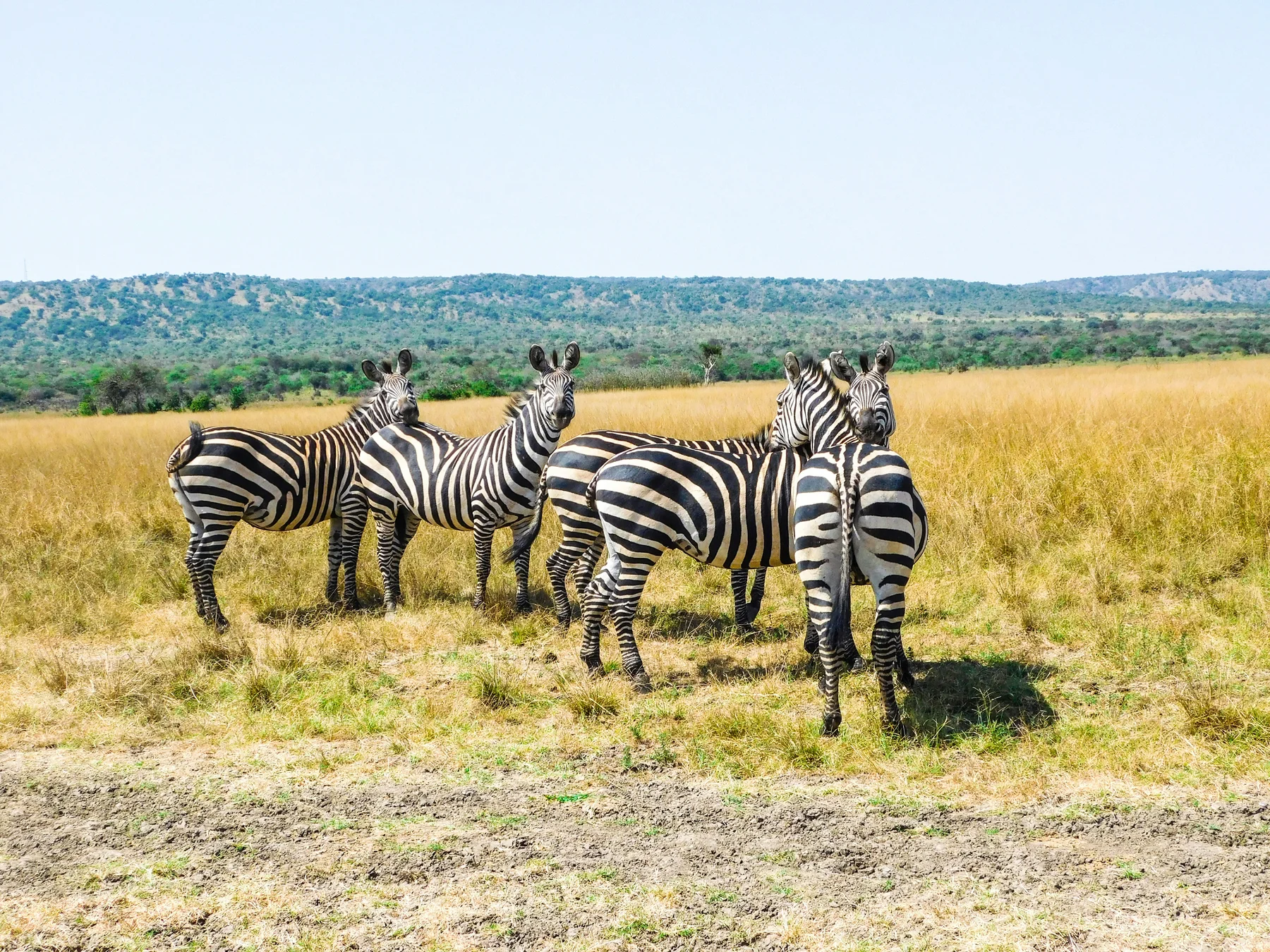
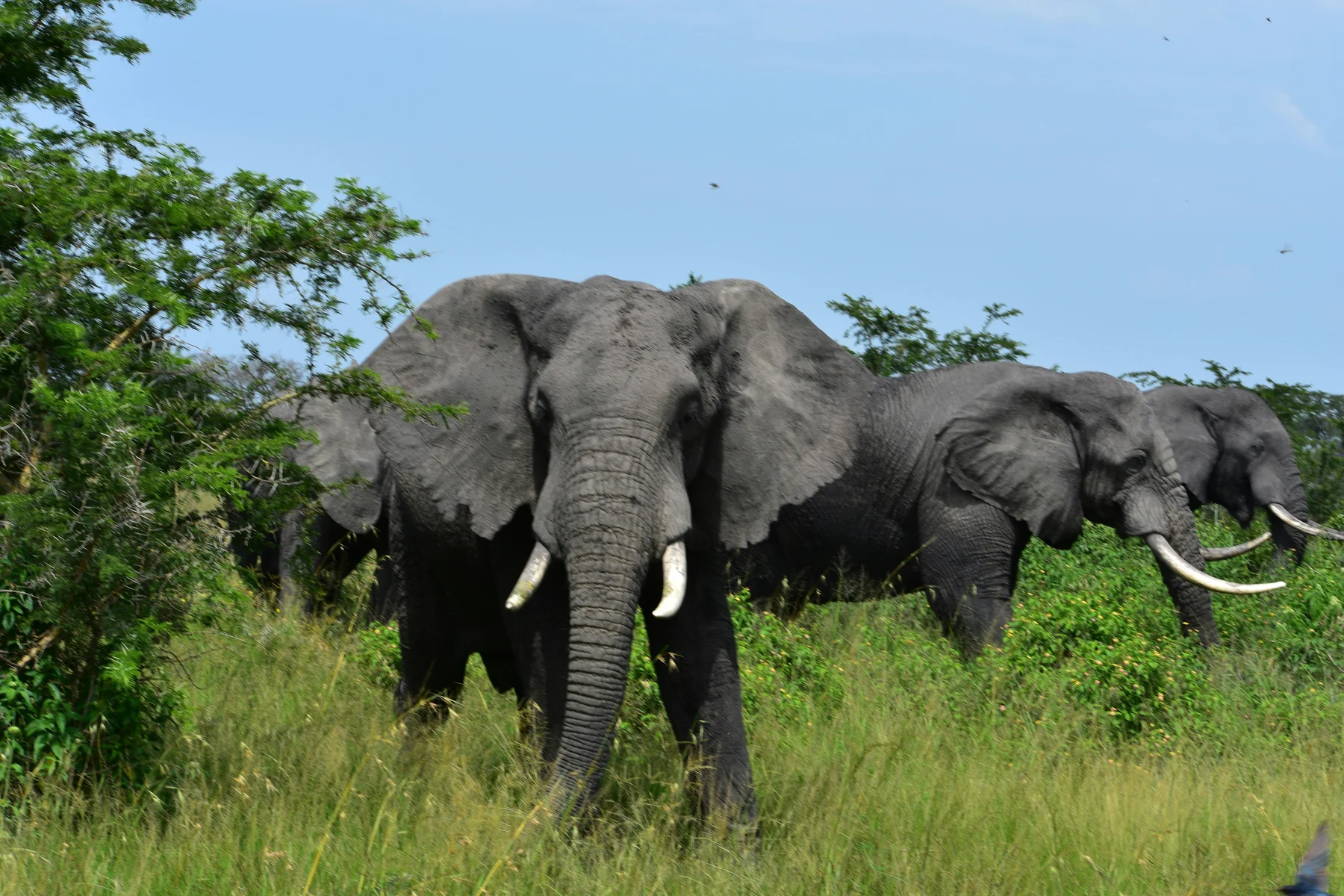
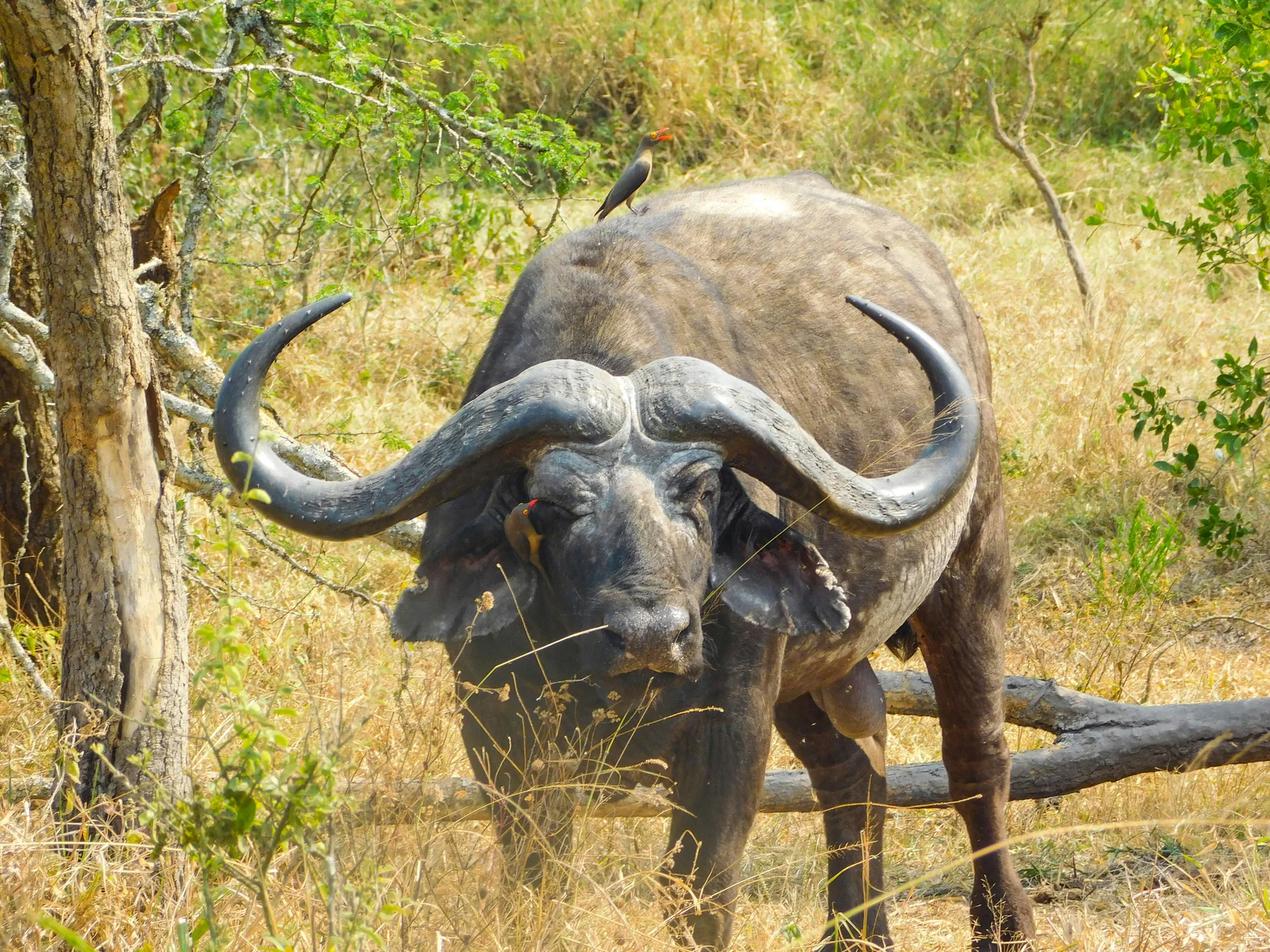
Akagera rewards patience more than target-chasing. The southern lakes and woodland create a different visual rhythm from the more open northern plains. Elephant, buffalo, giraffe, zebra and antelope may provide the day's continuity while predators and rhinos remain harder-won sightings.
The park's linear geography matters. Entering in the south and leaving through the north can create a satisfying full-day traverse, but it requires fuel, time and a plan for the guide if you hired one at reception. Backtracking to the same lodge changes the day. “Full-day game drive” is therefore not enough information: ask which gate, which vehicle, where the lodge sits and how the boat time affects the route.
Lake Ihema is not a filler activity. It offers a change of pace and better access to aquatic wildlife and birds than a vehicle can provide. The official 2026 tariff lists scheduled morning/day and sunset departures as well as private non-scheduled boats. Book the slot; do not assume there will be space when you arrive.
Akagera is not the Mara—and does not need to be
Rwanda-focused
Akagera
Strong for landscape contrast, wetland birding, a boat trip and lower-key game viewing within a Rwanda route. Two nights work well; three give more resilience and lodge time.
Uganda circuit
Uganda's savannah parks
Often better when your wider route already includes primates and several western or northern parks. Distances, boat experiences and habitats vary substantially by park.
Safari-led journey
Kenya or northern Tanzania
Usually the stronger choice when vast ecosystems, high wildlife density or migration-scale spectacle are the main purpose of the whole trip. They require a different route and budget, not a simple Akagera upgrade.
When Akagera earns its place
Add Akagera if…
- You want savannah and wetland to balance Kigali or a forest-focused journey.
- You can give the park two nights rather than treating it as a rushed Kigali excursion.
- A boat safari, birding and varied landscapes matter alongside larger mammals.
- You prefer a more contained park experience or want to self-drive with optional local guiding.
- You understand that Big Five status does not guarantee Big Five sightings.
Think carefully if…
- You have only one spare day and dislike six or more hours of return driving around a compressed game drive.
- Your central goal is maximum predator density or a migration-scale safari.
- You plan to arrive without reserving a boat, night drive or suitable vehicle.
- You are staying outside the park but have budgeted entry as though it covers repeated day visits.
- A late Kigali flight is attached to an ambitious final game drive.
What the current park tariff tells you
The official Akagera 2026 tariff lists a one-day or one-night entry/self-drive permit for an international adult at US$100. It also lists lower citizen, resident and Pan-African categories, with documentation required. The fee structure reduces the additional entry charge for a second and third night inside the park; guests staying outside are treated as day visitors and pay on each day they enter.
Park entry is only one layer. Vehicle charges, a guide, an AMC-operated drive, boat activity, accommodation, meals and Kigali transport can all sit separately. In the 2026 tariff, a self-drive guide is US$25 for a half day or US$40 for a full day; a scheduled daytime boat trip is US$35 per adult, a scheduled sunset trip US$45, and a park-operated night drive US$40 per adult. These are dated planning references, not a substitute for a current written quotation.