
Uganda Museum on Kira Road is the country's national museum and one of Kampala's most useful cultural stops. Its collections bring together archaeology, ethnography, traditional music and natural history, giving you context for places and communities you will meet later in Uganda.
It is not a substitute for visiting those places. It is a compact, indoors introduction—particularly helpful on an arrival day or between Kampala plans—if you allow time to look beyond the headline exhibits.
Uganda Museum at a glance
- Location
- Kira Road, Kamwokya, Kampala
- What it offers
- Cultural, ethnographic, archaeological, musical-instrument and natural-history collections
- Best use
- A grounding visit before a wider Uganda journey, or a thoughtful Kampala morning
- Allow
- Enough time to explore at an unhurried pace; traffic can make the transfer longer than the map suggests
- Main trade-off
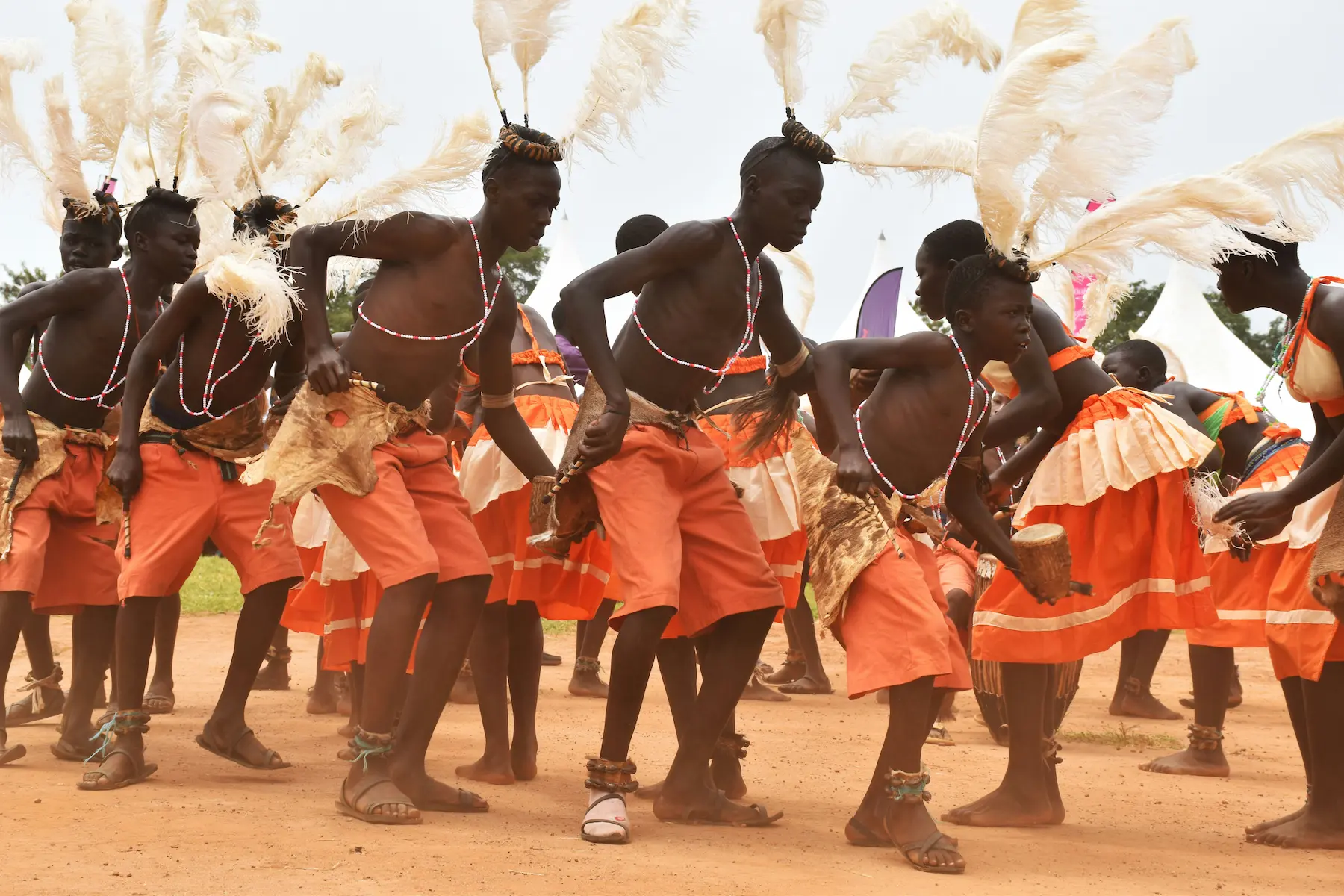
- Strong context and shelter from the weather, but a traditional museum visit rather than a live cultural performance
Experience
What to look for inside
-
Cultural and ethnographic collections
Objects such as bark cloth, pottery, tools and ceremonial pieces show how different Ugandan communities have made, worked, dressed and marked important occasions. Read the labels, then ask a guide about context rather than treating the displays as a single, uniform culture.
-
Traditional musical instruments
The instruments collection is one of the museum's most memorable sections. It gives a physical sense of the craftsmanship and musical traditions that are easy to miss when a trip is organised only around wildlife.
-
Archaeology and natural history
Archaeological material places Uganda's present in a much longer story, while natural-history displays connect with the biodiversity you may see in parks. These galleries are especially useful preparation for a first safari.
-
A Kampala route anchor
The museum works well with other city stops, including Kasubi Tombs and Owino Market. Together, they move from formal collections to living heritage and everyday commerce.
What a visit is actually like
The experience is self-paced and interpretive: you move through rooms of objects, read explanations and make connections between regions, communities and periods. A guide can add meaning to unfamiliar artefacts, but the museum is also manageable for travellers who prefer to explore quietly.
The building is on Kira Road in Kamwokya, within Kampala's busy urban network. A taxi or car is straightforward; a boda-boda can be quicker in traffic if you are comfortable using one. Build in buffer time, especially when combining the museum with several stops or an airport transfer.
The museum is commonly described as established in 1908 and as one of East Africa's oldest museums. Opening hours, admission charges, guide arrangements and which galleries are accessible can change, so confirm the current details before you set a fixed schedule. Published hours have been 9am–6pm on weekdays and 10am–6pm at weekends; treat those as a planning reference, not a guarantee.
Is Uganda Museum right for your Kampala day?
A good fit if…
- You want cultural and historical context before travelling to Uganda's parks and communities.
- You enjoy objects, stories and interpretation more than a highly staged attraction.
- You can spare a meaningful part of a morning or afternoon and allow for Kampala traffic.
- You are travelling with family or mixed interests and need an indoor option that can be taken at your own pace.
Think twice if…
- You have only a very short Kampala connection and cannot protect time for the visit.
- You are looking for a live performance, market negotiation or outdoor activity rather than museum galleries.
- You need guaranteed hours, fees or full accessibility without reconfirming current arrangements.