
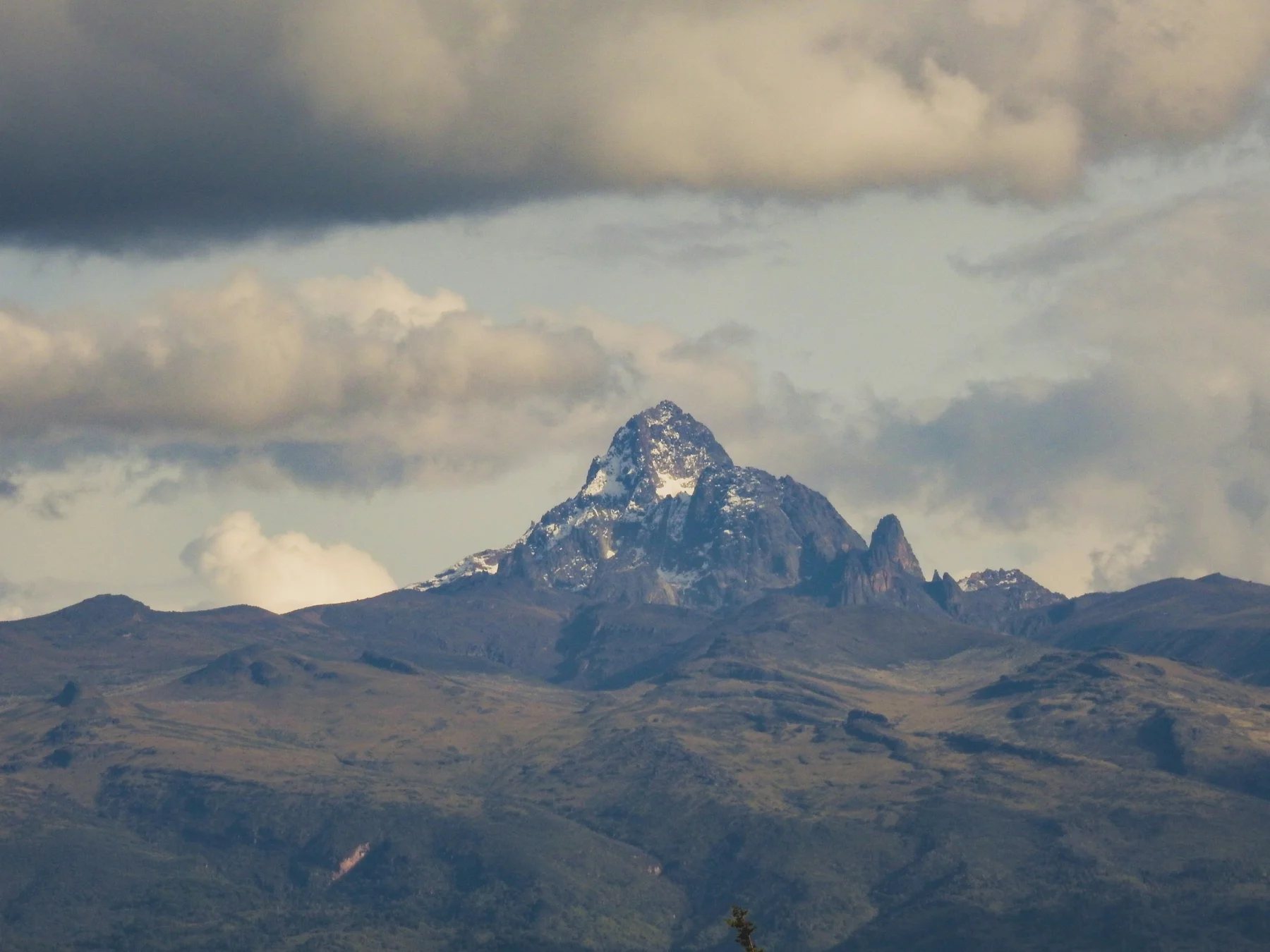
Mount Kenya is easy to place on a map and harder to place honestly in an itinerary. It is Africa's second-highest mountain, an ancient extinct volcano and a protected landscape whose forest, moorland, tarns and high alpine terrain change the character of a Kenya trip. It is not an ordinary safari destination with a mountain-shaped backdrop.
The first decision is the objective. A Point Lenana trek is a high-altitude journey with cold starts, uneven ground and an itinerary that must respond to health, weather and route conditions. Batian and Nelion are technical mountaineering objectives. A lower-altitude or mountain-edge visit can offer scenery and time outdoors without pretending to be a summit trek. The route, support plan and available nights should follow that decision—not the other way around.
Mount Kenya at a glance
- What it is
- An ancient extinct volcano and UNESCO World Heritage Site protected within Mount Kenya's high-altitude landscape
- Main peaks
- Batian 5,199 m, Nelion 5,188 m and Point Lenana 4,984 m, the usual trekking summit
- Route access
- KWS identifies Naro Moru, Sirimon and Chogoria as the three official approaches
- Scenery
- Forest, bamboo and moorland rising to alpine rock, glacial valleys and high-altitude tarns
- Time required
- Route-specific; a summit plan needs several mountain days and a contingency margin
- Main decision
- Technical climb, Point Lenana trek or lower-altitude mountain visit
- Critical trade-off
- Dramatic scenery and a real trekking objective in exchange for altitude, weather exposure and slower logistics
What Mount Kenya involves
The mountain's character changes with elevation. Lower slopes move through forest and bamboo; higher ground opens into moorland, giant high-altitude plants, rock, tarns and glacial landforms. KWS describes a protected landscape with around twenty glacial tarns, receding remnant glaciers and more than 130 recorded bird species, as well as wildlife adapted to the mountain's lower and middle zones.
The cultural context matters too. The mountain is spiritually significant to surrounding Agikuyu, Aembu and Ameru communities, among others. A trek is therefore not only a physical challenge. It is a visit to a protected and culturally meaningful landscape that deserves careful behaviour, qualified local support and attention to park rules.
Scenery is available at several levels, but access is operational. Weather, trail condition, gate access, accommodation and the exact transport plan determine what can be reached on a particular visit. Do not treat a lodge view, a lower forest walk and a Point Lenana attempt as interchangeable versions of “seeing Mount Kenya.”
Experience
What makes Mount Kenya a distinct trip
-
A mountain of changing ecosystems
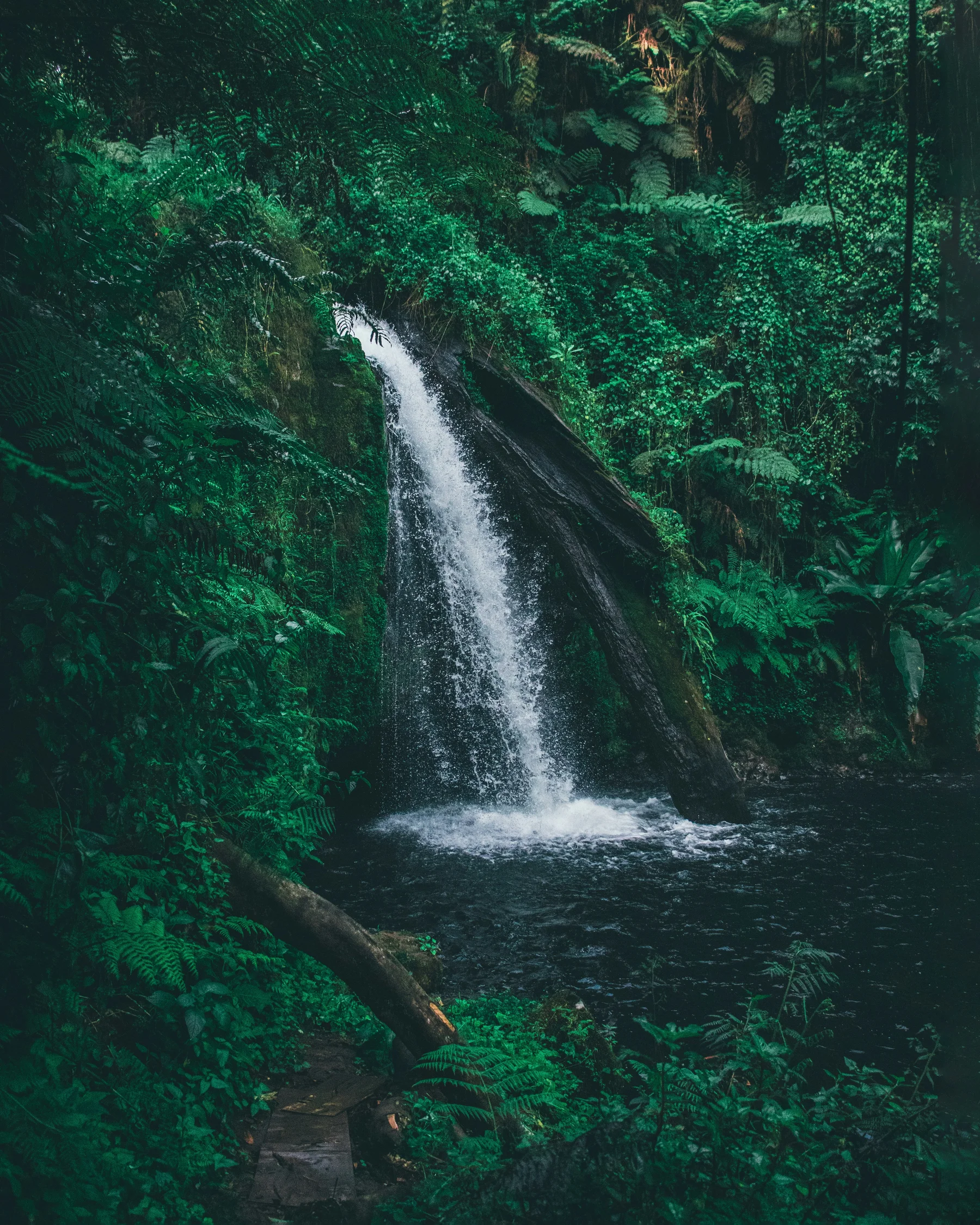
The journey from forest to moorland and alpine terrain is part of the experience. The scenery changes because the elevation changes, not because a safari loop has found another viewpoint.
-
A non-technical trekking summit exists
Point Lenana at about 4,984 m is the usual trekking objective, while Batian and Nelion are technical peaks. “Climbing Mount Kenya” needs that distinction made explicit.
-
High-altitude flora and landforms
Tarns, glacial valleys, giant lobelia and senecio, exposed rock and changing weather create a landscape unlike a standard savannah itinerary.
-
A trip that needs a support plan
Guiding, food, shelter, equipment, communications and evacuation assumptions matter as much as the route name. A cheap or short package can hide the decisions that keep a trek adaptable.
Choosing between the main routes
KWS identifies three official approaches: Naro Moru, Sirimon and Chogoria. At a high level, compare them by ascent profile, scenery, road access, shelter, route condition and how much time the plan gives the body to adjust. A route name alone is not enough to judge difficulty or safety.
- Naro Moru is the direct approach used by the existing four-day Point Lenana itinerary. Its fast gain in sleeping altitude and the often-wet Vertical Bog make the schedule a serious planning choice, not a default for everyone.
- Sirimon is a separate approach with its own gate, access road and stage plan. Ask the operator to show the sleeping-altitude profile, hut or camping basis and the contingency if weather or symptoms slow the group.
- Chogoria approaches from the eastern side and is often considered for scenery or a traverse. Confirm current road, gate and accommodation conditions, and do not assume that a scenic label explains the effort or acclimatisation profile.
Batian and Nelion require technical climbing competence and a different support plan from a Point Lenana trek. They belong in a mountaineering conversation, not as implied upgrades to an ordinary trekking package.
Altitude changes the safety question
Point Lenana is high enough that altitude, cold, wind and visibility need to shape the itinerary from the beginning. Physical fitness can help with walking but does not prevent altitude illness. A fast ascent may be possible for some people and still be a poor default plan; the safe response to worsening symptoms is to stop ascent and descend according to the mountain team's judgement.
The existing Naro Moru itinerary is intentionally more specific than this place guide. It shows one four-day route and makes its rapid sleeping-altitude gain visible. It should not be read as a recommendation that every traveller should use four days, or that adding a summit morning makes the mountain suitable for everyone.
Plan warm and waterproof layers, broken-in footwear, sun protection, a headlamp, water capacity and route-specific equipment. Confirm who supplies food, shelter, porters, first aid, communications and evacuation support. The current KWS Mount Kenya brochure lists warm clothing, camping equipment, first aid, sunglasses and suitable hiking or mountaineering gear among the items visitors should consider.
This page is planning guidance, not medical clearance. Travellers with previous altitude illness or relevant health concerns should discuss the trip with a qualified clinician before booking. On the mountain, the lead guide's conservative turnaround decision takes priority over the summit objective.
You do not have to force a summit trek
Mount Kenya can be part of a Kenya trip in more than one way. A supported Point Lenana trek is the clearest high-altitude objective. A lower-altitude stay around Nanyuki, Naro Moru or a park-edge lodge can instead prioritise views, rest, short walks and the mountain's cultural or ecological setting. KWS lists public and private accommodation and campsites, but current access and activity permissions should be confirmed for the exact property and season.
The lower-altitude option is not a consolation prize, and it is not a summit trek by another name. It may suit travellers who want mountain scenery, families with mixed fitness, photographers who value light and landscape, or a route that cannot spare enough nights for conservative acclimatisation. It will not provide the experience of crossing the moorland to Point Lenana, so describe the goal accurately when asking for a plan.
Weather matters at every level. A historically drier travel window can still bring cloud, rain, cold or poor visibility on the upper mountain. Choose dates with contingency, ask for current trail and road information, and avoid fixing an important onward flight immediately after a trek finish.
Who should choose Mount Kenya?
Choose a trek or mountain stay if…
- You want the mountain itself to be a central experience, not a one-line stop between safaris.
- You are comfortable with long, cold and potentially wet days on uneven ground.
- You understand the difference between Point Lenana trekking and technical Batian or Nelion climbing.
- You can allow route-specific nights, acclimatisation margin and a weather or health contingency.
- The operator can name the guide, support team, equipment, communications and evacuation assumptions.
Rework the plan if…
- You want a guaranteed summit sunrise or a fixed result regardless of weather and symptoms.
- You have only two or three spare nights and no lower-altitude alternative if the trek needs to change.
- You are arriving from low altitude and are treating fitness as protection from altitude illness.
- You dislike cold, exposed or muddy conditions but have chosen a rapid high route.
- You really want a mountain view rather than a summit objective and could use a simpler park-edge stay.